
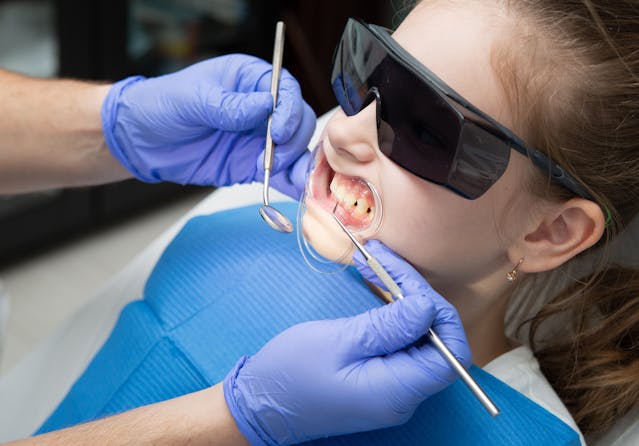
What Modern Pediatric Dental Practices Are Doing Differently Today
A pediatric dental visit doesn’t look quite the same as it did twenty years ago.
Parents notice it pretty quickly.
The rooms often feel calmer. Explanations are simpler. Technology shows up in ways that are less intimidating for children. There’s also more attention to comfort, prevention, and long-term development than many families expect.
That shift says a lot about how pediatric dentistry has changed over the years.
It’s not only about treating cavities anymore.
Technology is Becoming Quieter, Faster, and More Kid-Friendly
One of the biggest changes sits behind the scenes.
Dental technology has evolved, but not just to make things look modern. The goal is often a smoother experience for children.
Take digital dental x rays for kids. Older systems involved longer waits and less flexibility. Newer digital imaging tends to be faster, clearer, and uses lower radiation levels. That matters to parents, but it matters to children too. Less time sitting still usually means less stress.
Some practices also use laser dentistry for children in specific procedures. For certain treatments, lasers can reduce bleeding, shorten healing time, and sometimes avoid the noise and vibration associated with traditional tools.
For a nervous child, that difference can feel surprisingly big.
The Focus is Moving Toward Prevention
There’s been a noticeable move toward preventive care and earlier intervention.
Instead of waiting until a problem becomes obvious, many providers pay close attention to growth patterns, oral habits, airway concerns, nutrition, and developmental changes.
That’s part of why parents are choosing modern pediatric dental care more intentionally today. They’re looking for guidance, not just treatment.
Questions about thumb sucking, mouth breathing, crowded teeth, or sleep habits often come up during routine visits now. Not because every child has a problem. Because those conversations help identify concerns earlier.
Preventive care tends to be quieter than emergency treatment. But it can make a real difference over time.
Less “fixing,” More Minimally Invasive Thinking
Another change showing up across advanced pediatric dentistry is a growing interest in conservative treatment approaches.
Not every situation needs aggressive intervention.
Minimally invasive pediatric dentistry focuses on preserving healthy tooth structure whenever possible. That may involve early cavity detection, protective sealants, fluoride support, or treatment strategies designed to reduce discomfort and unnecessary procedures.
Families appreciate that balance.
Children usually do too.
The experience often feels less overwhelming when care is thoughtful instead of rushed toward bigger solutions.
Emotional Comfort Matters More Than it Used To
This might be one of the biggest changes of all.
Modern pediatric dental practices are paying closer attention to emotional experience.
Children don’t just remember what happened during a visit. They remember how they felt.
Were things explained clearly?
Did someone slow down when they seemed nervous?
Did the appointment feel safe or stressful?
Those questions matter more today than they once did.
Many innovations in pediatric dentistry for children aren’t purely technological. Some are behavioral.
Using kid-friendly language. Offering small choices. Explaining tools before using them. Allowing extra time for anxious children.
Simple adjustments, but powerful ones.
Parents Are More Involved In the Process
The relationship between dental teams and families has changed too.
Parents now expect transparency. They want to understand treatment options, prevention strategies, and developmental concerns. They’re asking thoughtful questions and doing more research before appointments.
That’s partly why pediatric dentistry in Denver CO and other growing pediatric markets are placing stronger emphasis on education and communication.
The appointment doesn’t end with “everything looks fine.” Families often leave with practical advice about brushing habits, dietary patterns, growth monitoring, or home routines.
It becomes more collaborative.
Care Looks Broader Than it Used To
Modern pediatric dental care increasingly recognizes that oral health connects to bigger pieces of childhood wellbeing.
Breathing patterns. Nutrition. Sleep quality. Emotional comfort. Developmental timing.
Teeth don’t exist in isolation.
Practices like Grin Pediatric Dentistry reflect that broader perspective many families are looking for today. Not simply faster tools or newer equipment, but a more complete approach to helping children build healthy experiences and healthier habits over time.
Because modern pediatric dentistry isn’t really about making care feel high-tech.
It’s about making care feel smarter, calmer, and more responsive to how children actually grow, learn, and experience the world around them.