School mornings in Brooklyn can feel like organized chaos.
Shoes disappear. Homework gets remembered late. Somebody suddenly decides breakfast is unacceptable because the toast touched the eggs.
Dental care usually happens somewhere inside that rush.
What many families don’t always realize is that oral health reaches far beyond cavities and cleanings. It can quietly affect focus, attendance, sleep, confidence, and classroom performance too.
The connection between oral health and school performance isn’t always obvious. But it shows up in everyday ways.
Tooth Pain Doesn’t Stay at Home
A child with dental discomfort rarely announces it dramatically.
Sometimes it looks like irritability.
Sometimes poor sleep.
Sometimes trouble focusing during reading time or math class.
Tooth pain can be distracting in ways adults forget. Trying to pay attention in school while dealing with a sore tooth isn’t easy, especially for younger children who may not even have the language to explain what feels wrong.
That’s part of how dental health affects learning.
When eating hurts, concentration slips. When sleep suffers because of nighttime discomfort, mornings become harder. Small oral health problems can quietly spill into the school day.
Missing School Matters More Than One Day
Dental issues are one of the reasons children sometimes miss class.
An emergency appointment. A swollen gum. A cavity that suddenly becomes painful.
One absence may not seem significant. But patterns matter.
The relationship between school attendance and dental health becomes clearer over time. More missed appointments for treatment can mean less time in class, interrupted routines, and added stress for both children and parents.
Preventive care tends to change that equation.
Routine checkups usually require less disruption than urgent treatment.
Healthy Habits Support More Than Healthy Teeth
Brushing before bed doesn’t just protect enamel.
It builds routine.
Children benefit from predictable routines. Morning habits. Bedtime habits. Daily structure. Oral care becomes part of that larger framework.
Healthy teeth healthy kids isn’t just a catchy phrase. Children who feel physically comfortable often participate more fully in everyday activities meals, conversations, classroom discussions, sports, sleepovers.
Healthy routines support confidence too.
A child who isn’t worried about bad breath, visible decay, or tooth discomfort often navigates social situations differently.
Eating, Speaking, Smiling It’s All Connected
Oral health influences development in ways that aren’t always discussed.
Chewing comfortably affects nutrition. Speech development depends partly on healthy oral structures. Confidence around smiling and speaking can shape social experiences during childhood.
That broader picture sits at the center of dental health and child development.
Children spend huge parts of their lives interacting, learning, presenting ideas, answering questions, and forming friendships.
Oral discomfort can quietly interfere with those moments.
Not dramatically every time. Just enough to matter.
Dental Visits Can Shape Attitudes Too
How children experience dental care matters.
Fearful experiences sometimes create avoidance. Comfortable experiences often encourage consistency.
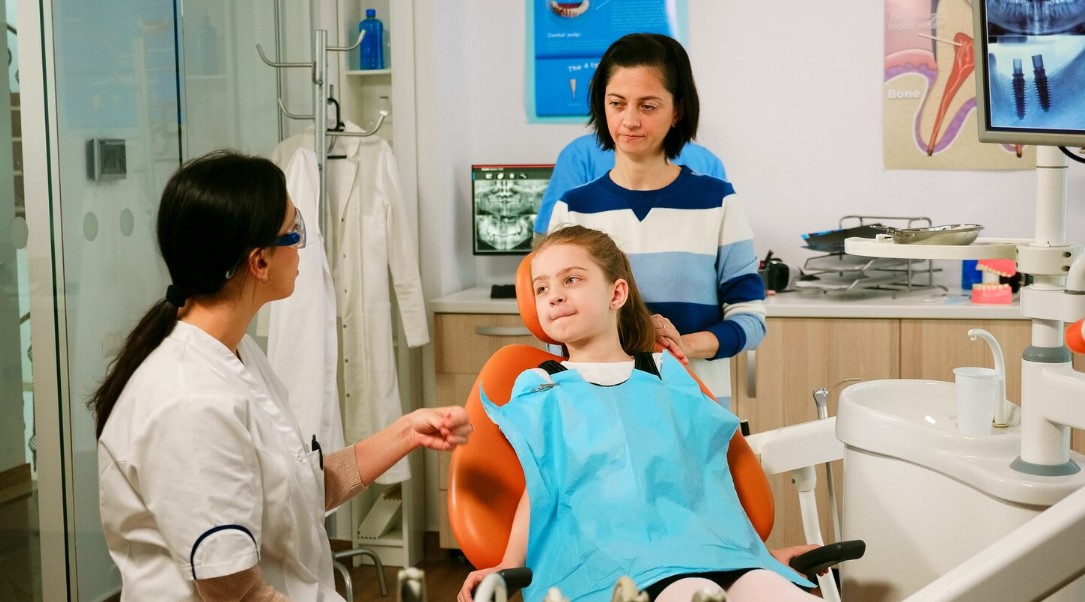
A child-friendly dentist Brooklyn families trust usually understands this balance. The goal isn’t only treatment. It’s helping children feel safe enough to return without dread.
That matters for long-term habits.
Parents searching for a childrens dentist near me in Brooklyn are often looking for more than clinical expertise. They want somebody who understands childhood behavior, school schedules, family stress, and how small experiences shape bigger attitudes toward health.
That human side of care matters more than many people expect.
Small Daily Habits Carry Surprising Weight
Big improvements don’t always start with major lifestyle changes.
Sometimes it’s adding water after snacks.
Sometimes it’s moving brushing earlier before bedtime exhaustion kicks in.
Sometimes it’s replacing a toothbrush that has seen better days months ago.
The cumulative effect of small habits tends to be underestimated.
Because oral health and school performance usually connect quietly.
Not through one dramatic moment.
Through sleep quality. Comfort during meals. Attendance patterns. Concentration. Confidence.
Tiny things stacking together.
Why Early Prevention Often Changes the Story
Many childhood dental problems are easier to manage when noticed early.
That doesn’t require perfect parenting or flawless routines.
It usually requires consistency, observation, and regular care.
Practices like Bitesize Pediatric Dentistry often emphasize this preventive approach helping families understand how oral health fits into a child’s broader daily life, including learning, development, and emotional well-being.
Children are growing fast. School years move quickly too.
Somewhere between spelling tests, playground conversations, late-night homework sessions, and rushed morning routines, oral health becomes part of the larger picture of childhood.
Not separate from learning.
Quietly connected to it.